The Art of Contemplative Writing: Finding Clarity in Undefined Moments
The most profound insights often emerge from the spaces between certainty. Those undefined moments when thoughts hover at the edge of consciousness, waiting for the right vessel to capture their essence. In a world that demands immediate clarity, the practice of contemplative writing offers refuge.
Embracing the Undefined in Creative Expression
Great thinkers throughout history understood that clarity emerges through process, not proclamation. The undefined serves as fertile ground where ideas germinate before taking final form. When we resist the urge to immediately categorize every thought, we allow space for deeper understanding to develop.
The physical act of writing by hand slows our thinking enough to notice these subtleties. Unlike digital interfaces that demand rapid decision-making, pen and paper accommodate hesitation, revision, and the organic development of ideas. The subtle drag of ink across quality paper creates a rhythm that mirrors contemplation itself.
The Sacred Space of Handwritten Reflection
Medieval Islamic scholars in Al-Andalus recognized writing as a meditative practice. They understood that the quality of one's writing surface directly influenced the depth of contemplation. This wisdom persists in contemporary artisan traditions.
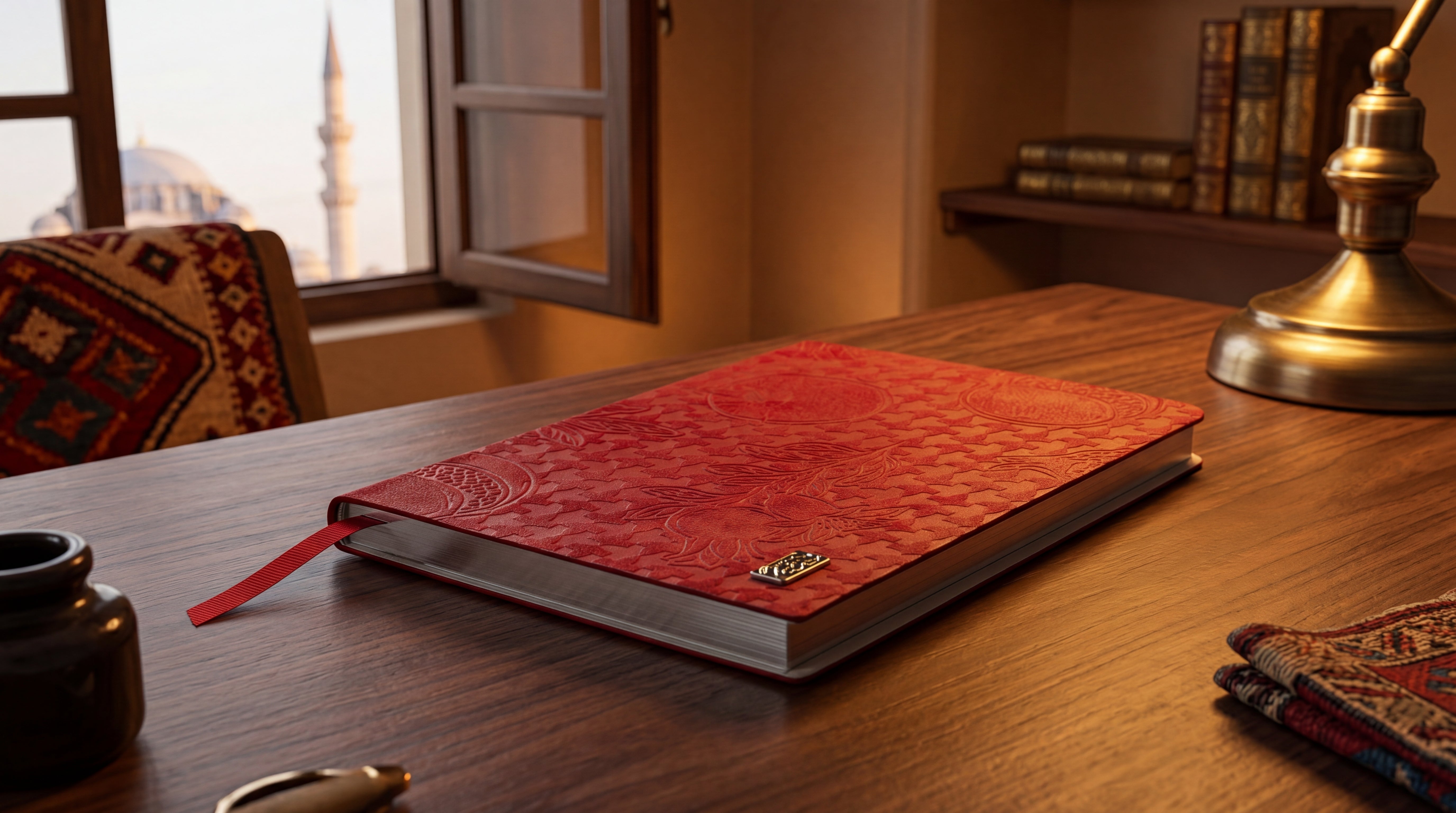
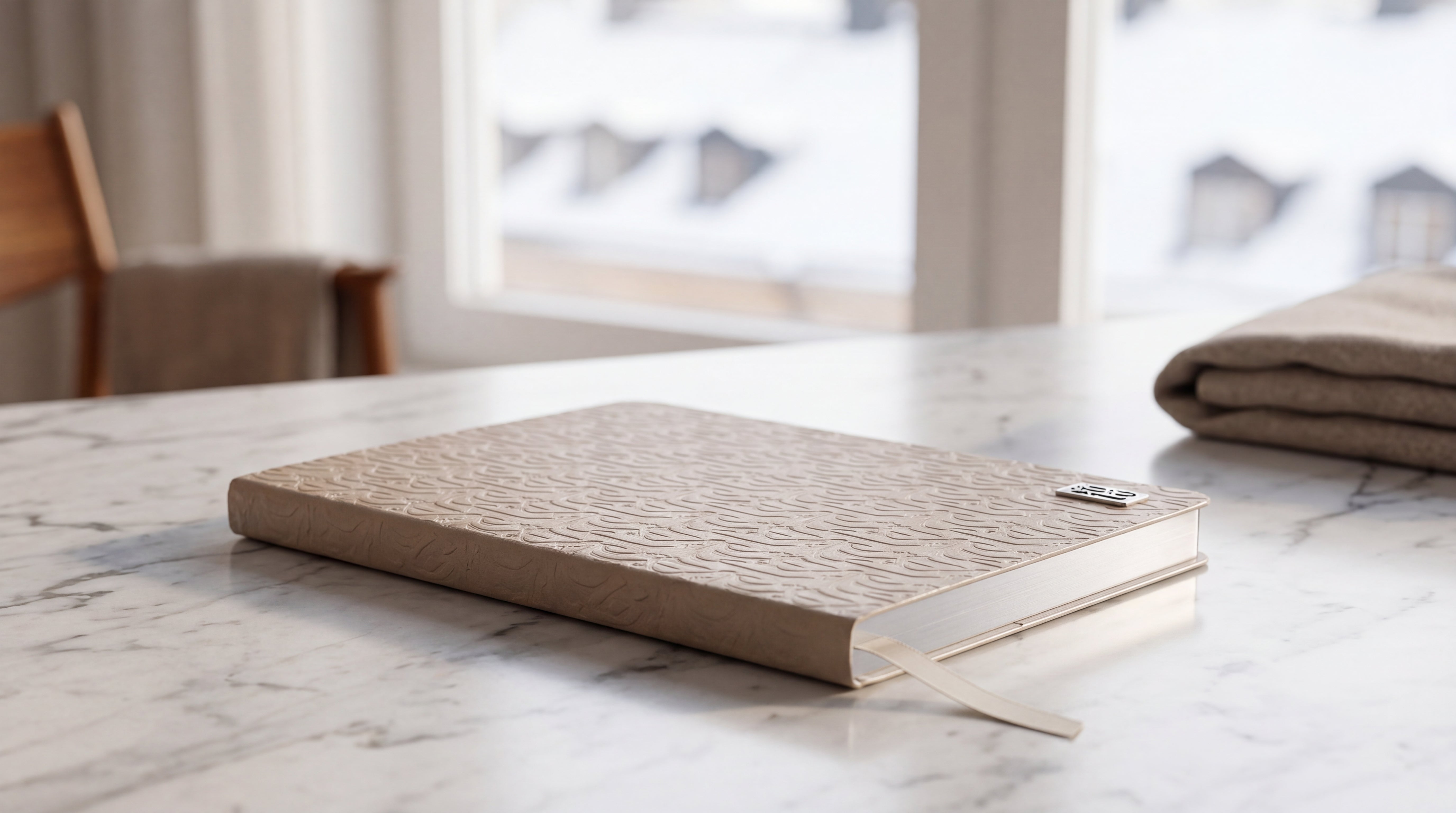
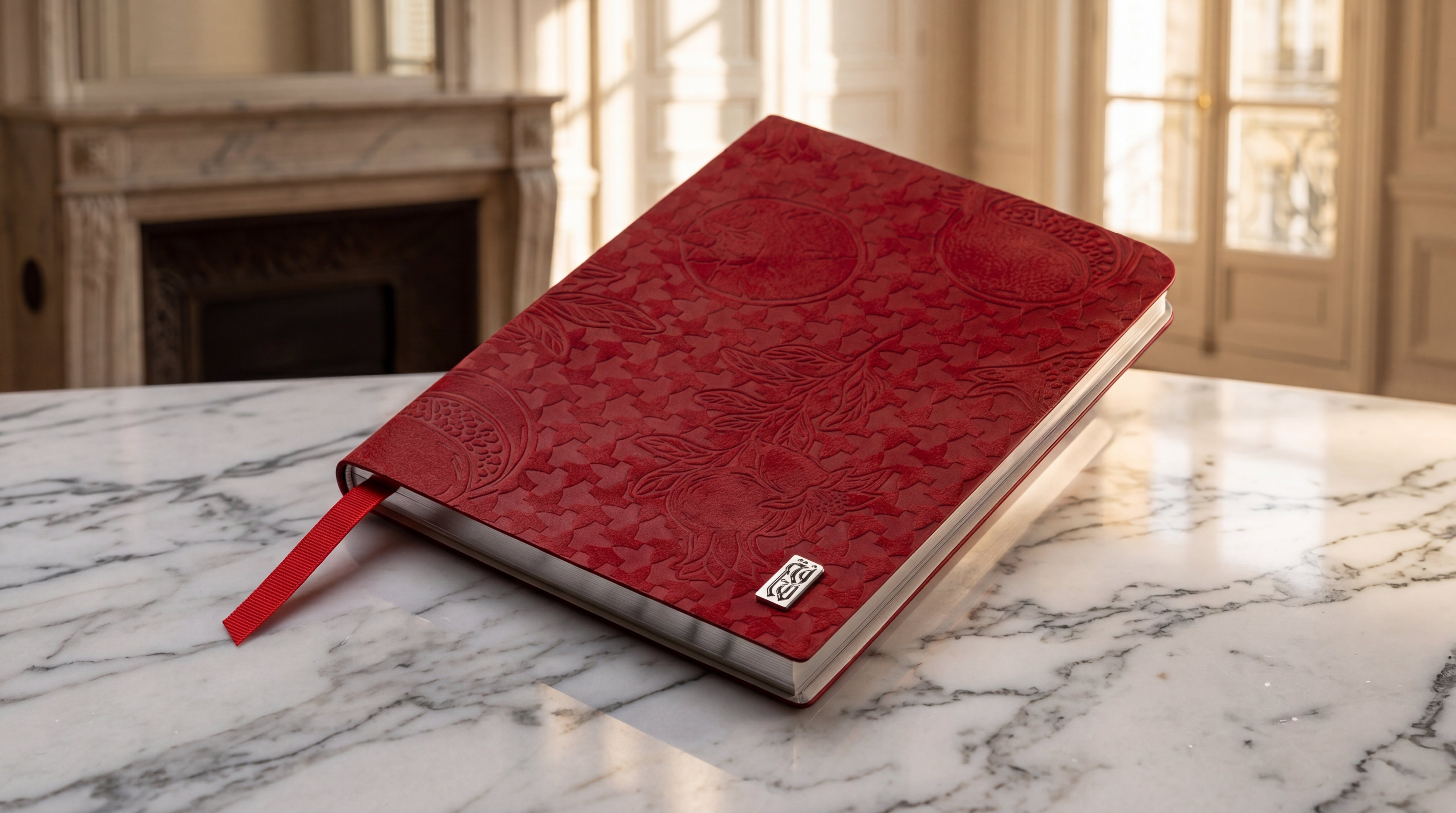
TAKAFA honors this heritage through notebooks crafted with genuine Italian leather and ivory paper, creating instruments worthy of profound reflection. Each page becomes a sanctuary for undefined thoughts seeking form. The leather's natural grain tells its own story, developing a patina that speaks of countless hours spent in quiet reflection.
Transforming Ambiguity into Insight
The undefined presents opportunities rather than obstacles. Rather than rushing toward conclusions, we can learn to inhabit uncertainty with grace. Consider these approaches to working with unclear thoughts:
- Allow ideas to remain incomplete during initial exploration
- Practice writing without predetermined outcomes
- Return to passages after time has passed for fresh perspective
- Use questioning rather than statements when thoughts feel nebulous
This approach requires patience. And quality materials that can withstand extended use. Premium leather covers age beautifully, developing character through repeated handling. Quality paper accepts ink without bleeding, preserving even the most tentative marks.
The Philosophy of Patient Development
Eastern philosophy teaches that forcing clarity often obscures truth. Instead, we can cultivate conditions where understanding naturally emerges. This requires both mental discipline and appropriate tools.
The texture of genuine leather beneath fingertips grounds us in the present moment. The subtle resistance of quality paper encourages deliberate mark-making. These sensory elements transform writing from mere recording into active meditation. Each stroke becomes intentional.
Cultivating Comfort with Uncertainty
Modern culture often treats undefined states as problems requiring immediate solutions. Yet creative traditions worldwide celebrate these liminal spaces as sources of innovation and wisdom.
When we approach undefined thoughts with curiosity rather than anxiety, they often reveal unexpected connections. The key lies in creating supportive environments for this exploration. Comfortable seating, adequate lighting, and materials that respond beautifully to touch all contribute to sustained contemplation.
The undefined becomes not a void to fill quickly, but a space to inhabit thoughtfully. In this patient dwelling, we often discover that our initial uncertainty masked deeper truths waiting for proper attention.