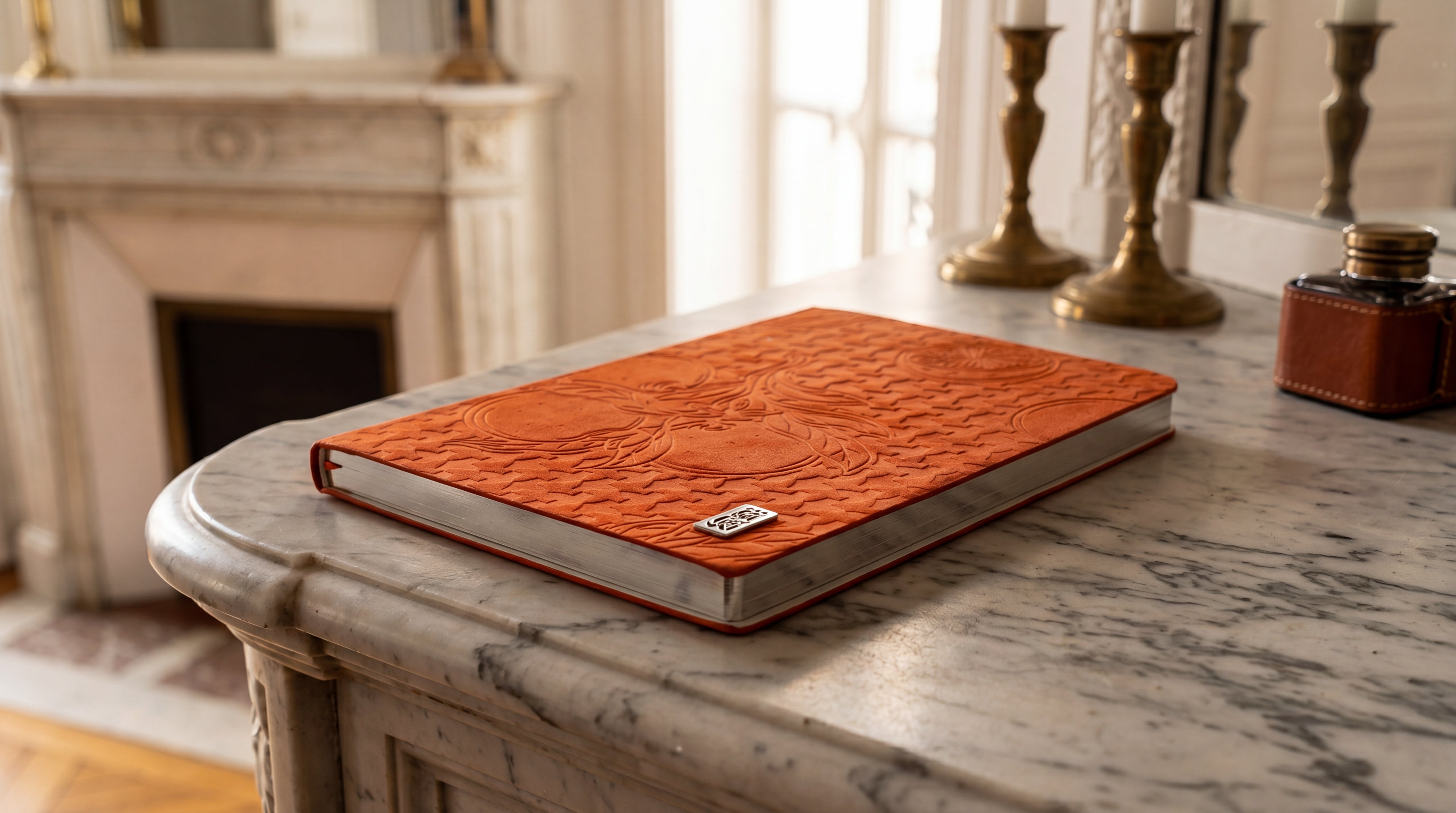
Academic Planners 2025-2026: Choosing the Perfect 18-Month Companion
The academic year demands more than ordinary planning. An academic planner 2025-2026 serves as your intellectual compass through eighteen months of learning, research, and discovery. The extended timeline calls for materials that endure. Pages that inspire. Craftsmanship that honors the sacred act of scholarly planning.
Why 18-Month Academic Planners Transform Your Study Experience
Traditional calendar-year planners fragment the academic journey. An 18-month format bridges summer preparations with the following spring semester, creating unbroken continuity for your educational goals. This extended perspective allows deeper project planning, research timeline mapping, and seasonal reflection on academic progress.
The extra months provide space for summer reading lists, conference planning, and thesis development. Students tracking multi-semester projects find this format particularly valuable for maintaining long-term academic vision.
Key Features for Academic Success
Premium academic planners 2025-2026 incorporate specific elements that support scholarly work. Weekly layouts accommodate class schedules, office hours, and study blocks. Monthly overview sections help visualize semester arcs and deadline clusters.
Quality paper prevents ink bleeding during intensive note-taking sessions. You'll notice how the paper's subtle texture grips ink just right, preventing that frustrating feathering that ruins careful annotations. Durable binding withstands constant handling throughout lengthy academic terms. Additional sections for grade tracking, reading logs, and research notes transform simple scheduling into comprehensive academic management.
Materials That Honor Scholarly Tradition
Academic planning deserves materials reflecting intellectual seriousness. Genuine leather covers develop character through daily use, much like well-worn textbooks. Ivory paper provides optimal writing surfaces for various ink types, from quick ballpoint reminders to fountain pen reflections.
TAKAFA understands this scholarly heritage. We create planners where Italian leather craftsmanship meets academic functionality. Each piece acknowledges the timeless tradition of scholars recording wisdom, observations, and insights in beautifully crafted volumes. The subtle grain of our leather tells its own story, deepening with each semester's worth of handling.
Choosing Your Perfect Academic Companion
Consider your specific academic needs when selecting an 18-month academic planner. Graduate students benefit from research project sections and bibliography pages. Undergraduate schedules require class tracking and assignment deadlines. Professors need sabbatical planning and publication timeline management.
Size matters for academic life. Larger formats accommodate detailed scheduling but require desk space. Compact versions travel easily between library and lecture hall. Your daily routine determines the ideal balance between writing space and portability.
Layout preferences vary among scholarly disciplines. Science students often prefer grid patterns for diagrams and calculations. Humanities scholars gravitate toward lined pages supporting extensive written reflection. Mixed formats offer flexibility for interdisciplinary academic work.
Making Academic Planning Sacred
Transform routine scheduling into mindful academic practice. Begin each semester by setting intentions within your planner pages. Use different sections for various aspects of scholarly life: coursework, research, conferences, and personal development.
Review weekly progress through written reflection rather than digital tracking. The physical act of writing creates deeper engagement with academic goals. Monthly reviews become opportunities for course correction and celebration of scholarly achievements.
Your academic planner becomes a repository of intellectual growth. It documents not just appointments but the evolution of ideas, the development of arguments, and the gradual accumulation of knowledge that defines true education.