The 10-Year Notebook: Why Leather Only Gets Better With Time
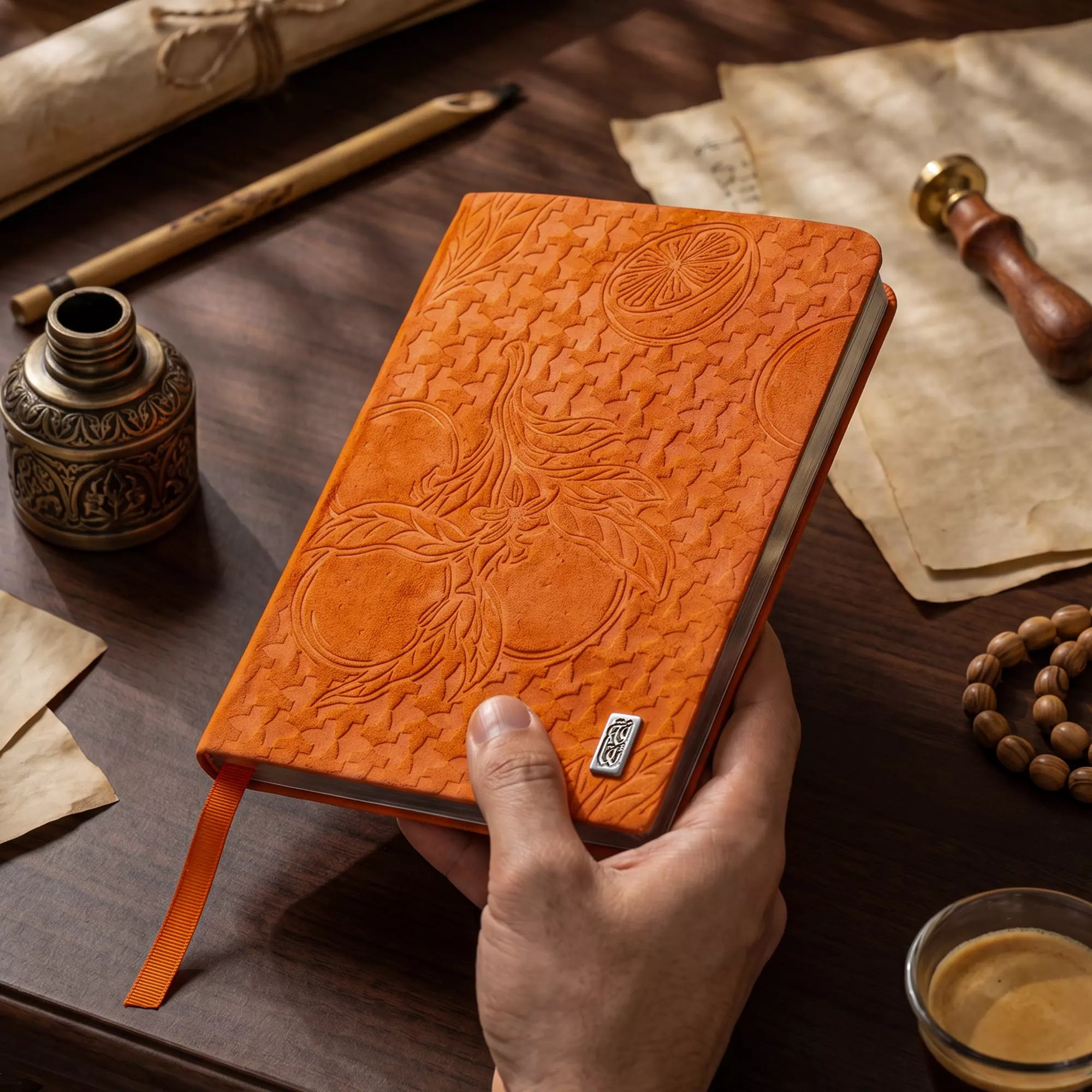
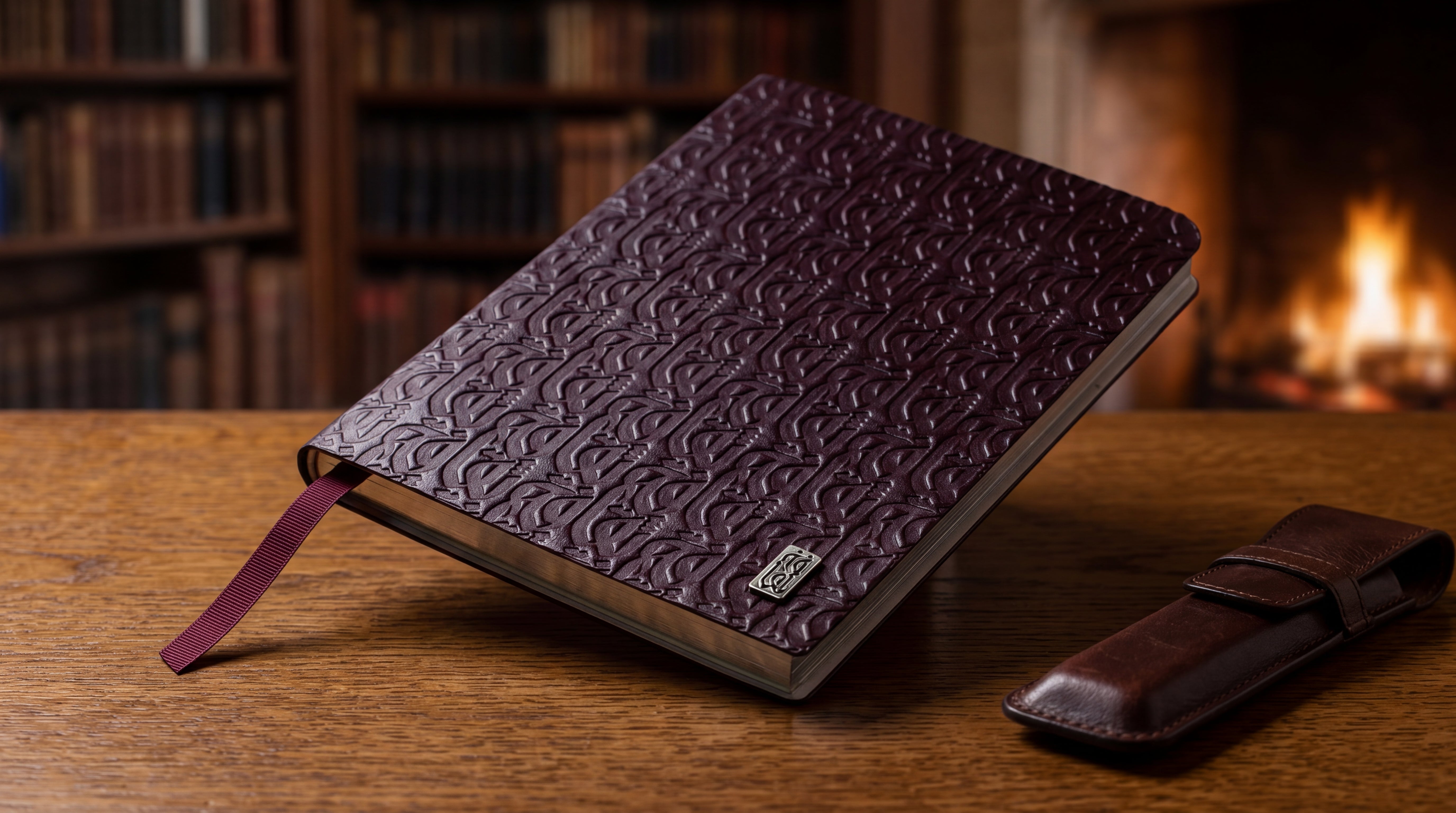
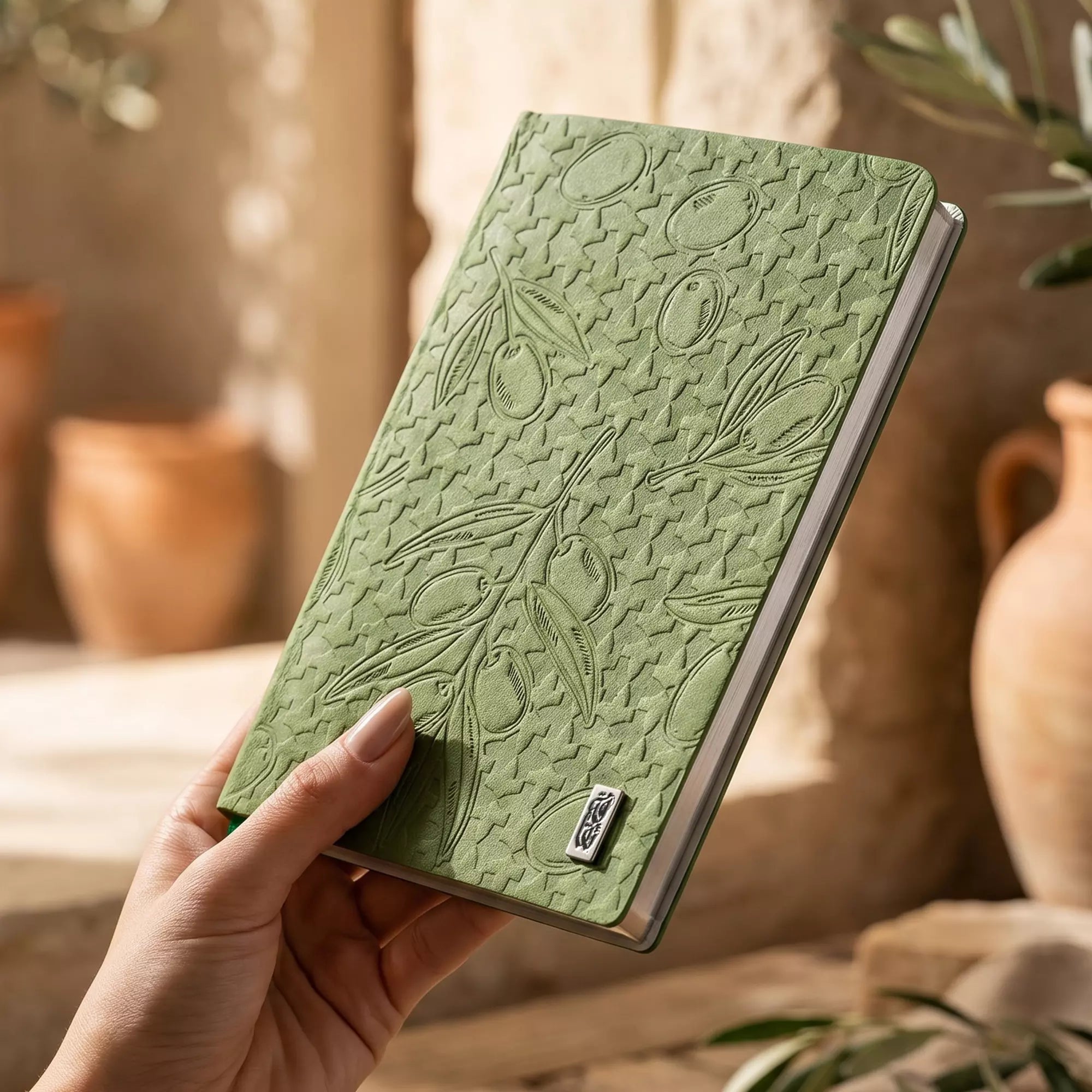
Pull open the drawer of any well-lived desk and there, beneath the receipts and the business cards and the things that accumulate without intention, you may find it a leather notebook whose cover has deepened from tan to amber, whose spine has softened to something that yields to the hand like old wood yields to warmth. A leather notebook that ages well is a rare and particular thing. It is not merely an object that has survived time. It is one that has received it the way a face receives sunlight, the way a tree receives rain, changing not by deterioration but by deepening. This is the quiet argument at the heart of everything TAKAFA makes: that full-grain leather only gets better with time, and that to invest in something built to last a decade is to choose, from the very first day, a different relationship with the objects in your life.
The Science of the Patina: What Actually Happens to Leather Over Time
There is a word in the language of craft patina that has no adequate synonym. It describes the luminous surface transformation that occurs when a material of genuine quality encounters years of honest use. Metals acquire it. Wood acquires it. And leather, perhaps more beautifully than anything else made by human hands, acquires it in a way that feels almost collaborative as though the material and the person using it are making something together.
Full-grain leather is the uppermost layer of the hide, the surface that faced the world during the animal's life. It is the densest, most tightly structured layer — the one that retains the natural grain, the subtle variation, the character that corrected and split leathers are processed to remove. When left uncoated and untreated, it breathes. It responds to the oils in your hands, to the warmth of the rooms it moves through, to the light it catches on a desk by a window.
Over months and years, that responsiveness becomes beauty. The leather darkens at the edges where the hand grips most often. The cover softens across its face. A mark that might initially seem a flaw a slight scuff from a bag, the impression of a pen that was pressed too hard becomes, with time, a detail rather than a defect. The notebook begins to carry its history in the texture of its surface.
This is not degradation. This is exactly what the material was made to do.
What the Craftsmen of Córdoba Understood About Permanence
The leather workers of Al-Andalus the tabba'iin of the great tanneries of Córdoba, whose craft gave the city's name to the English word cordovan were not making objects intended to be replaced. They were making objects intended to be inherited. The leather they produced was worked with such discipline and precision that examples of it survive, recognisably supple and intact, in museum collections across three continents.
Their understanding of the material was rooted in patience. Tanning in the Andalusian tradition was a slow process vegetable tanning with oak bark and pomegranate rind, taking months rather than the days that modern chrome tanning requires. The slower the tanning, the deeper the structure of the finished leather, and the richer its capacity to age with grace.
This philosophy that quality is not achieved quickly, and that what is made to last must first be made with depth runs directly into the way TAKAFA's notebooks are constructed today. The full-grain Bos Taurus leather used in every cover is hand-tanned by Italian artisans who inherit, in their own lineage, the same fundamental understanding: that the work you put into a material at the beginning determines what it becomes over the years that follow.
How a Notebook Carries a Life
There is something that happens between a person and a well-made leather notebook over the span of years that is difficult to name precisely. It is not sentiment exactly, though sentiment is part of it. It is more structural than that the recognition that this object has been present through something.
The writer who opens the same leather journal every morning for a decade is not opening a static thing. They are opening an accumulation. The cover knows the desk it usually rests on, the bag it travels in, the particular weight of the hand that has held it in cold rooms and warm ones. The wear pattern on the spine tells you something about how the notebook is habitually opened all the way flat, or at an angle, or carefully, the way one approaches something valued.
A notebook that ages this way becomes, in the deepest sense, a record in two registers at once:
- What is written inside the thoughts, the plans, the observations, the questions that get answered and the ones that don't.
- What is carried outside the texture of lived time, written not in words but in the slow calligraphy of use.
Both registers are true. Both are worth keeping.
Choosing an Object Worth a Decade of Your Life
The decision to buy a leather notebook a genuinely made one, rather than something bound in bonded leather or synthetic approximation is, at its core, a decision about how you want to experience your own time.
A notebook that will fall apart in two years asks nothing of you beyond the moment of purchase. A notebook built to last ten asks that you be present to it, that you carry it with care, that you notice what it becomes. It reintroduces a quality of attention to an ordinary object that the disposable economy has largely trained us to suppress.
TAKAFA's notebooks are made specifically for this relationship. The full-grain leather cover is chosen not for its appearance at the point of sale, but for the depth and richness it will develop across years of use. The hand-stitched binding is made to withstand daily opening without loosening. The FSC-certified Italian ivory paper silky, fountain-pen-friendly, cream enough to warm the eye without dazzling it is weighted to last. Everything about the construction is oriented toward the same end: that the notebook you open in ten years will be more beautiful, more characterful, and more irreplaceably yours than the one you opened on the first day.
This is not a promise made by marketing. It is the natural consequence of genuine materials and genuine craft.
Ten years from now, a notebook begun today will carry within it something irreplaceable the record of a decade, held in leather that has grown warm and dark with handling, soft with the particular pressure of one pair of hands. The cover will tell a story that cannot be written in words. The patina will be yours alone.
This is what it means to choose a leather notebook that ages well: not simply a beautiful object, but a long and quietly extraordinary relationship with something made to deepen alongside you.
If you are ready to begin that relationship, TAKAFA's collection of handcrafted full-grain leather notebooks made in Italy, rooted in Andalusian artisanship are made to be exactly that. Explore the collection and choose the one you will still be reaching for a decade from now.