Calligraphy Writing: The Sacred Art of Beautiful Script and Timeless Expression
In an age of digital communication, calligraphy writing forms a bridge between the material and the spiritual. Simple letters become vessels of contemplation. This ancient practice invites us to slow down, to feel the weight of ink against paper, and to honor each stroke as an act of mindful creation.
The Meditative Nature of Beautiful Script
True calligraphy transcends mere penmanship. It becomes a form of moving meditation where breath synchronizes with the rhythm of the pen. When we practice beautiful script, we enter a state where time seems suspended. Each curve and flourish carries intention beyond its literal meaning.
The physical act of forming letters by hand activates neural pathways that typing cannot reach. Studies in neuroscience show that handwriting engages areas of the brain associated with memory, creativity, and emotional processing. This explains why handwritten letters feel more personal, more authentic than their digital counterparts.
Historical Foundations of Sacred Writing
Throughout history, scribes understood writing as a sacred responsibility. In medieval scriptoriums, monks approached each manuscript as an offering. They believed that beautiful writing honored both the text and its divine source. This reverence for the written word shaped civilizations from ancient China to the libraries of Cordoba, where scholars preserved knowledge through careful, deliberate script.
Arabic calligraphy, in particular, elevated writing to high art. The flowing curves of Naskh script and the geometric precision of Kufic demonstrate how letterforms can embody both beauty and meaning. Each stroke follows centuries of refined technique, creating harmony between form and function.
Modern Tools for Ancient Practices
Contemporary calligraphy benefits from both traditional techniques and modern materials. Quality paper makes an immediate difference. It provides the smooth surface necessary for clean strokes and prevents ink from bleeding or feathering. The weight and texture of premium paper create a tactile experience that enhances the meditative aspects of writing.
Fountain pens offer superior control compared to ballpoint alternatives, allowing for natural line variation that brings calligraphy to life. The slight resistance of nib against paper creates feedback that helps guide each movement. You can feel this gentle push back with each stroke. This makes the writing process more intuitive and satisfying.
Developing Your Personal Hand
Learning calligraphy requires patience and consistent practice. Begin with basic letterforms before attempting flourishes or decorative elements. Focus on maintaining consistent spacing, angle, and pressure. These fundamentals create the foundation for developing your unique style.
Regular practice sessions, even brief ones, prove more beneficial than occasional marathon efforts. Set aside fifteen minutes daily to work on letter formation, focusing on quality over quantity. Notice how your hand relaxes as you find your natural rhythm.
The Luxury of Slow Writing
In our accelerated world, choosing to write by hand becomes a form of quiet rebellion. It represents a commitment to quality over speed, to thoughtfulness over efficiency. When we select beautiful stationery for our calligraphy practice, we honor this commitment with tools worthy of our attention.
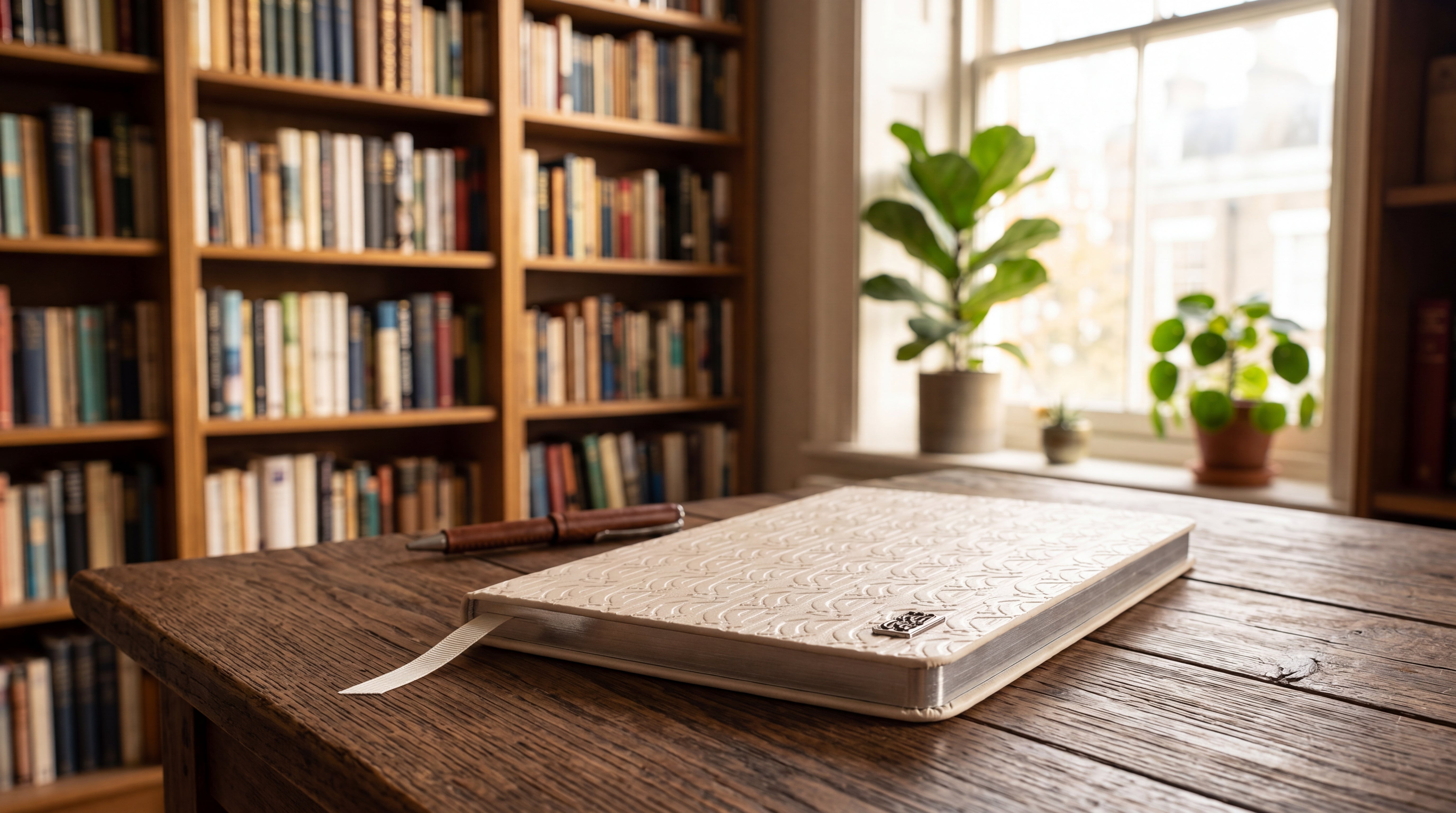
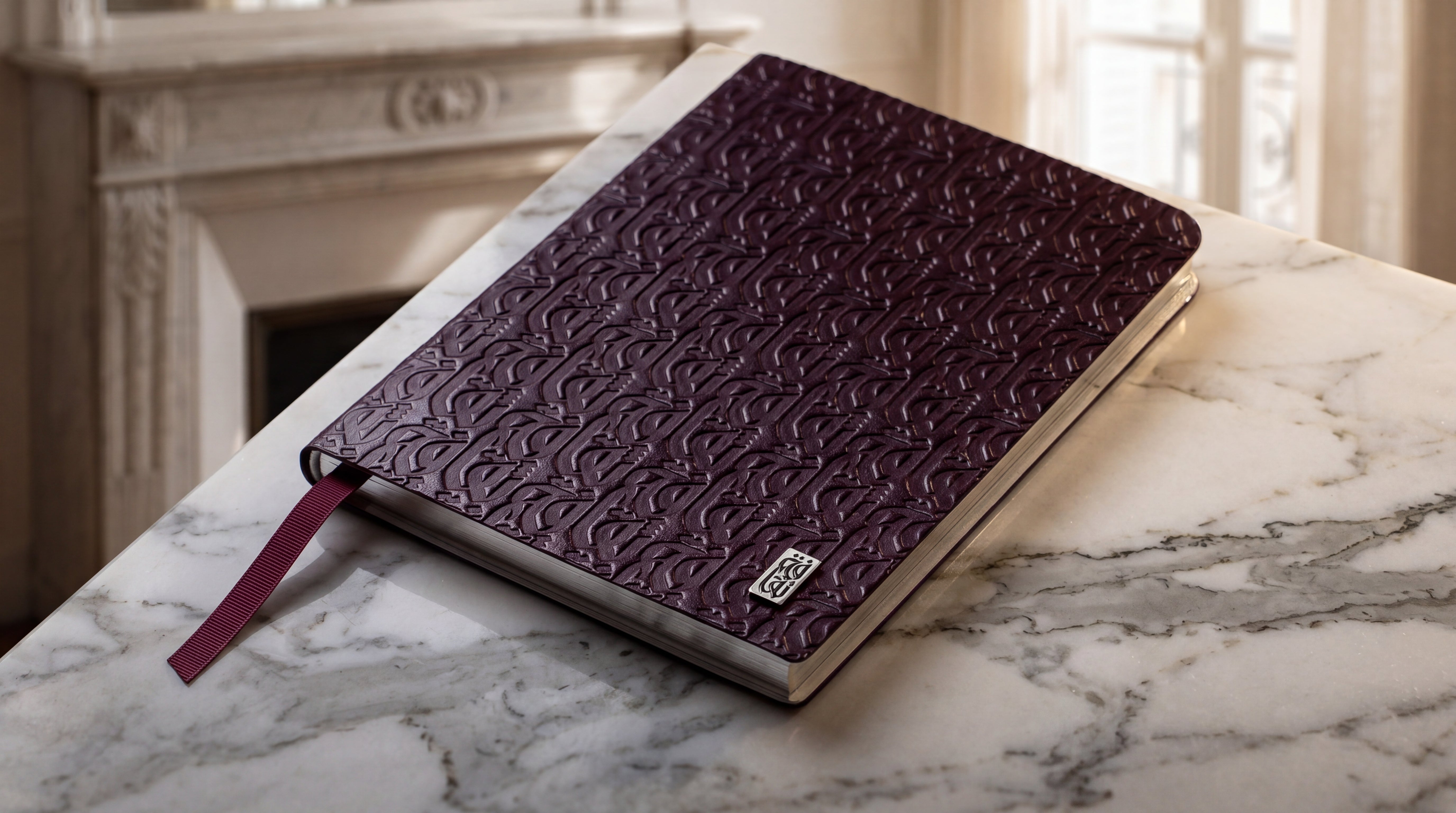
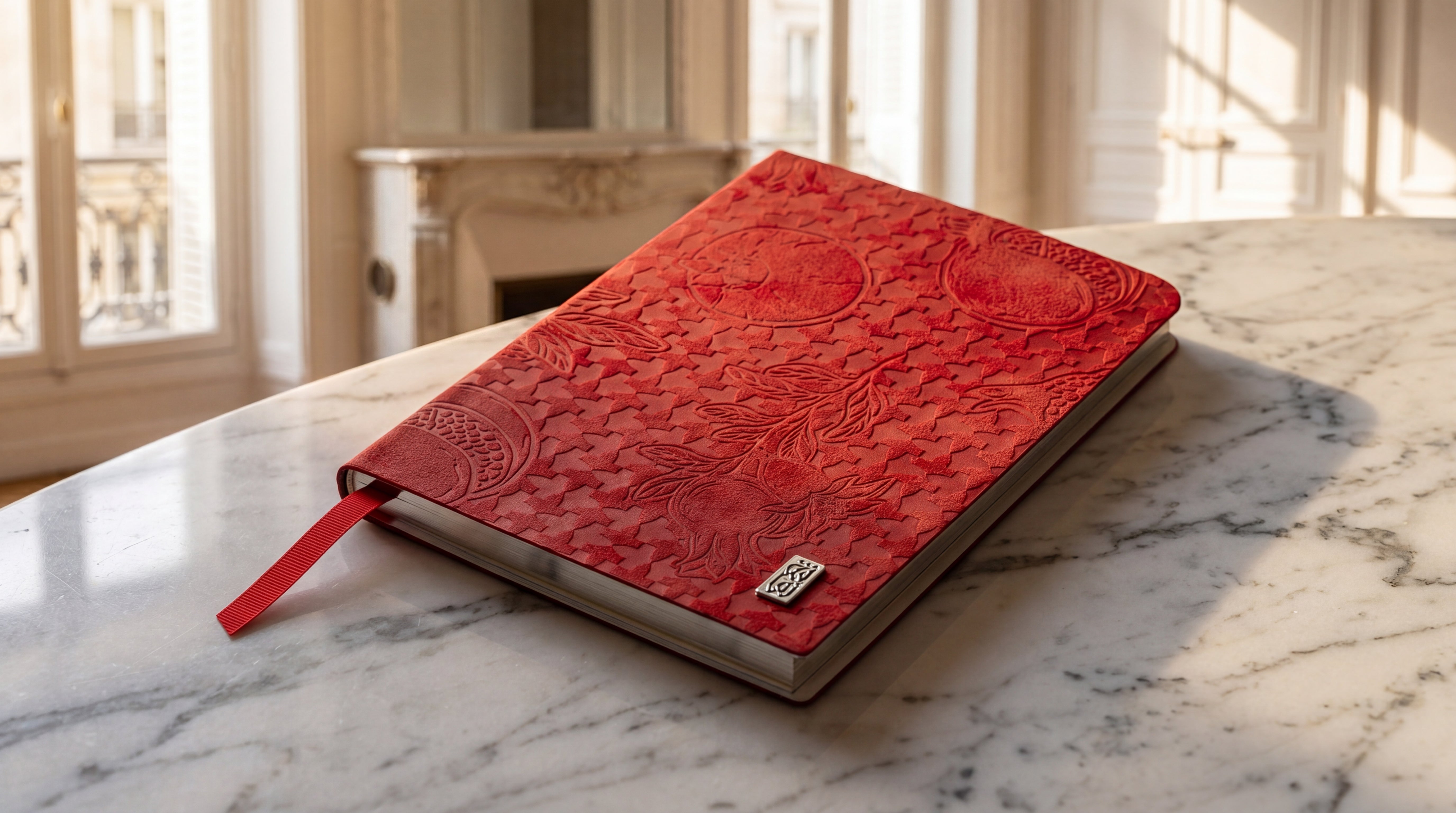
TAKAFA understands this philosophy. We create notebooks with ivory paper that responds perfectly to fountain pen ink, providing the smooth canvas that calligraphy deserves. Our genuine leather covers develop character over time, becoming personal talismans for the writing journey. The leather actually grows softer with use, developing a subtle patina that speaks to countless hours of practice.
Calligraphy writing invites us to rediscover the pleasure of forming letters with care and intention. In each practiced stroke, we find not just improved penmanship, but a deeper connection to the timeless art of human expression through beautiful script.